Be yourself; Everyone else is already taken.
— Oscar Wilde.
This is the first post on my new blog. I’m just getting this new blog going, so stay tuned for more. Subscribe below to get notified when I post new updates.
Be yourself; Everyone else is already taken.
— Oscar Wilde.
This is the first post on my new blog. I’m just getting this new blog going, so stay tuned for more. Subscribe below to get notified when I post new updates.
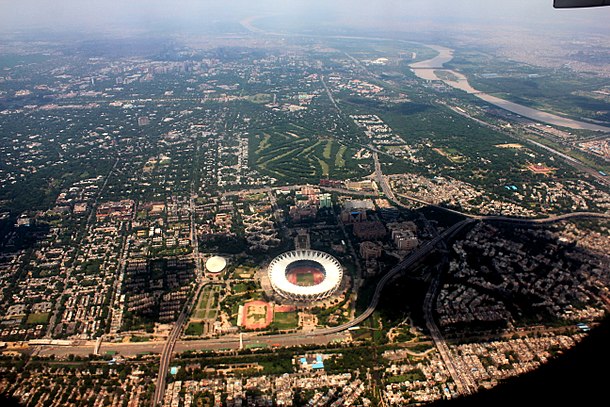
Delhi officially the National Capital Territory of Delhi (NCT), is a city and a union territory of India containing New Delhi, the capital of India.[18][19] It is bordered by the state of Haryana on three sides and by Uttar Pradesh to the east. The NCT covers an area of 1,484 square kilometres (573 sq mi). According to the 2011 census, Delhi’s city proper population was over 11 million,[7] the second-highest in India after Mumbai,[20] while the whole NCT’s population was about 16.8 million.[8] Delhi’s urban area is now considered to extend beyond the NCT boundaries, and include the neighbouring satellite cities of Ghaziabad, Faridabad, Gurgaon and Noida in an area now called Central National Capital Region (CNCR) and had an estimated 2016 population of over 26 million people, making it the world’s second-largest urban area according to the United Nations. As of 2016, recent estimates of the metro economy of its urban area have ranked Delhi either the most or second-most productive metro area of India.[13][12][21][14] Delhi is the second-wealthiest city in India after Mumbai and is home to 18 billionaires and 23,000 millionaires. Delhi ranks fifth among the Indian states and union territories in human development index. Delhi has the second- highest GDP per capita in India. Furthermore, it is considered one of the world’s most polluted city by particulate matter concentration.
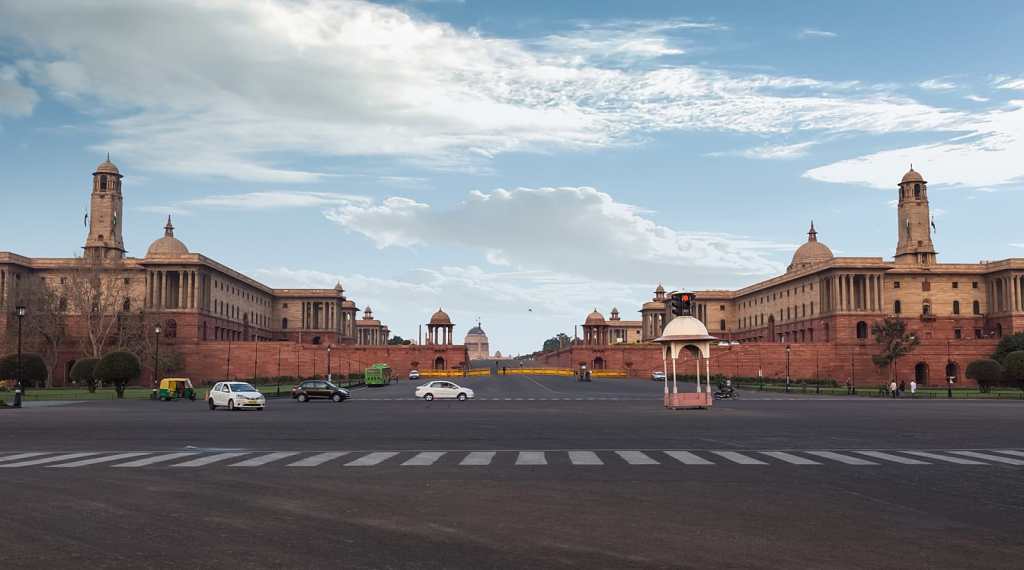
According to Euromonitor International, Delhi ranked as 28th-most visited city in the world and first in India by foreign visitors in 2015.[221] There are numerous tourist attractions in Delhi, both historic and modern. The three UNESCO World Heritage Sites in Delhi, Qutb Complex, Red Fort and Humayun’s Tomb are among the finest examples of Indo-Islamic architecture.[222] Another prominent landmark of Delhi is India Gate, a 1931 built war memorial to soldiers of British Indian Army who died during First World War.
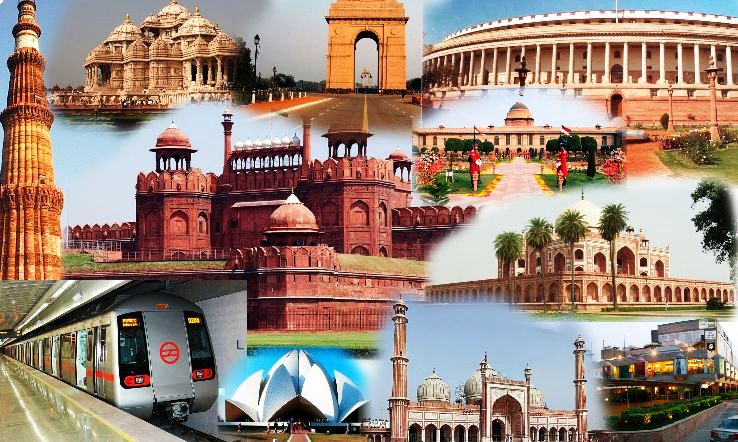
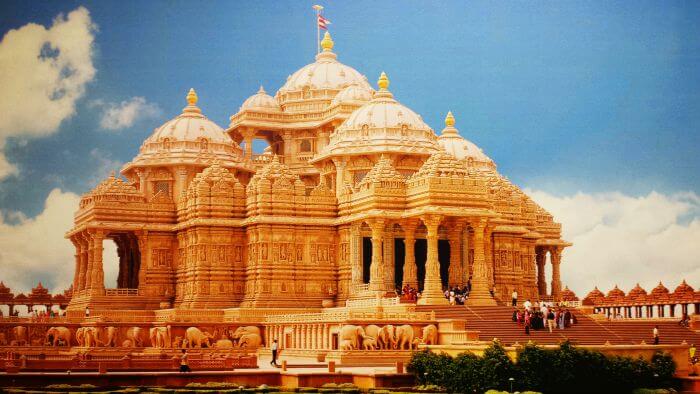
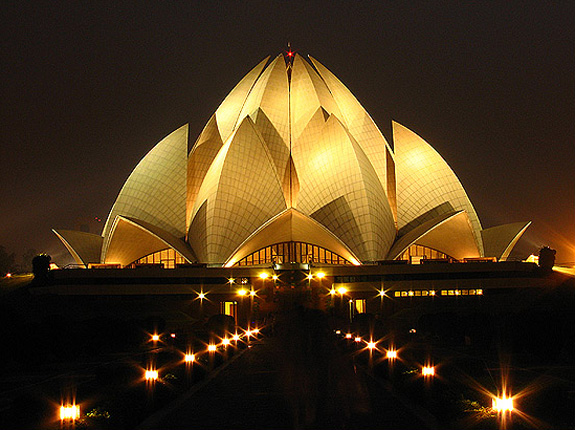
Delhi has several famous places of worship of various religions. One of the largest Hindu temple complexes in the world,[224] Akshardham is a major tourist attraction in the city. Other famous religious sites include Lal Mandir, Laxminarayan Temple, Gurudwara Bangla Sahib, Lotus Temple, Jama Masjid and ISKCON Temple. Delhi is also a hub for shopping of all kinds. Connaught Place, Chandni Chowk, Sarojini Nagar, Khan Market and Dilli Haat are some of the major retail markets in Delhi.[225] Major shopping malls include Select Citywalk, Pacific Mall, DLF Promenade, DLF Emporio, Metro Walk and Ansal Plaza.
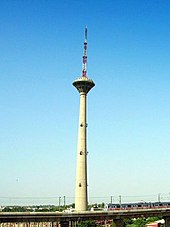
As the capital of India, Delhi is the focus of political reportage, including regular television broadcasts of Parliament sessions. Many national media agencies, including the state-owned Press Trust of India, Media Trust of India and Doordarshan, is based in the city. Television programming includes two free terrestrial television channels offered by Doordarshan, and several Hindi, English, and regional-language cable channels offered by multi system operators. Satellite television has yet to gain a large quantity of subscribers in the city.
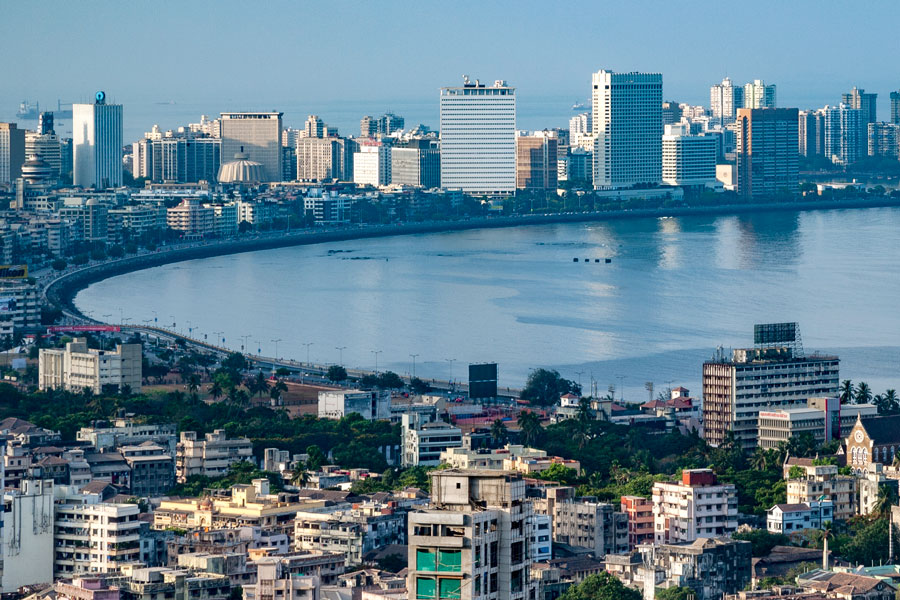
Mumbai , also known as Bombay, the official name until 1995) is the capital city of the Indian state of Maharashtra. According to United Nations, as of 2018, Mumbai is the second most populous city in India after Delhi and the seventh most populous city in the world with a population of 19.98 million. As per Indian government population census of 2011, Mumbai was the most populous city in India with an estimated city proper population of 12.5 million living under Municipal Corporation of Greater Mumbai. Mumbai is the centre of the Mumbai Metropolitan Region, the sixth most populous metropolitan area in the world with a population of over 23.64 million. Mumbai lies on the Konkan coast on the west coast of India and has a deep natural harbour. In 2008, Mumbai was named an alpha world city.[21] It is also the wealthiest city in India, and has the highest number of millionaires and billionaires among all cities in India. Mumbai is home to three UNESCO World Heritage Sites: the Elephanta Caves, Chhatrapati Shivaji Maharaj Terminus, and the city’s distinctive ensemble of Victorian and Art Deco buildings.
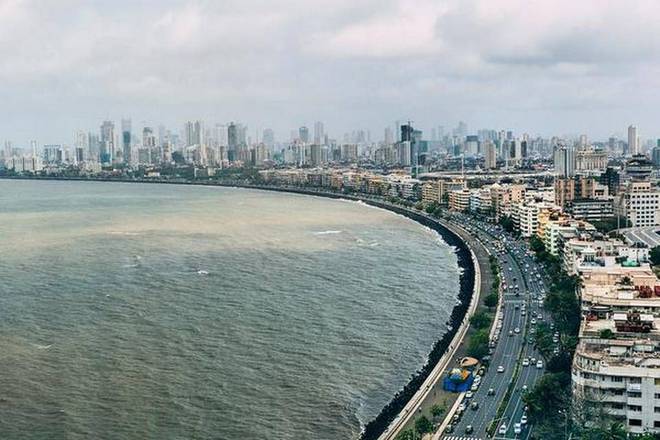
Mumbai is the financial, commercial and entertainment capital of India. It is also one of the world’s top ten centres of commerce in terms of global financial flow,[36] generating 6.16% of India’s GDP[37] and accounting for 25% of industrial output, 70% of maritime trade in India (Mumbai Port Trust and JNPT),[38] and 70% of capital transactions to India’s economy.[39][40] Mumbai’s billionaires had the highest average wealth of any city in the world in 2008.[41][42] The city houses important financial institutions such as the Reserve Bank of India, the Bombay Stock Exchange, the National Stock Exchange of India, the SEBI and the corporate headquarters of numerous Indian companies and multinational corporations. It is also home to some of India’s premier scientific and nuclear institutes like Bhabha Atomic Research Centre, Nuclear Power Corporation of India, Indian Rare Earths, Tata Institute of Fundamental Research, Atomic Energy Regulatory Board, Atomic Energy Commission of India, Department of Atomic Energy and the Indian Institute of Technology Bombay. The city also houses India’s Hindi (Bollywood) and Marathi cinema industries. Mumbai’s business opportunities, as well as its potential to offer a higher standard of living, attract migrants from all over India, making the city a melting pot of many communities and cultures.
Mumbai is in all ways a mega-city driven by power, wealth, glamour and fame which attracts people to give shape to their dreams and aspirations. But it is also a city with strong historical links, wonderful British architecture, museums, beaches, places of worship, and above all, a true galaxy of stars where Bollywood reigns supreme.
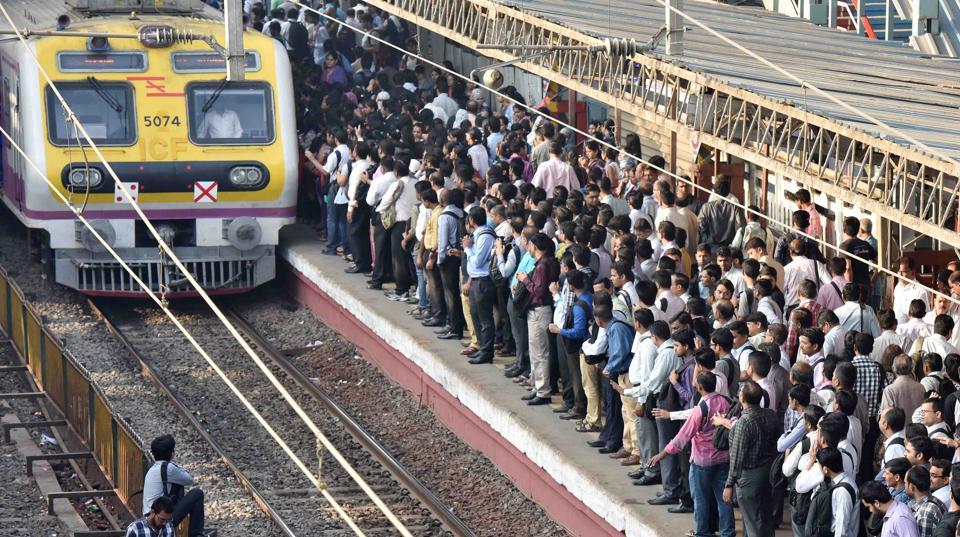
The Mumbai Suburban Railway, popularly referred to as Locals forms the backbone of the city’s transport system.[239] It is operated by the Central Railway and Western Railway zones of the Indian Railways.[240] Mumbai’s suburban rail systems carried a total of 6.3 million passengers every day in 2007.[241] Trains are overcrowded during peak hours, with nine-car trains of rated capacity 1,700 passengers, actually carrying around 4,500 passengers at peak hours.[242] The Mumbai rail network is spread at an expanse of 319 route kilometres. 191 rakes (train-sets) of 9 car and 12 car composition are utilised to run a total of 2,226 train services in the city.
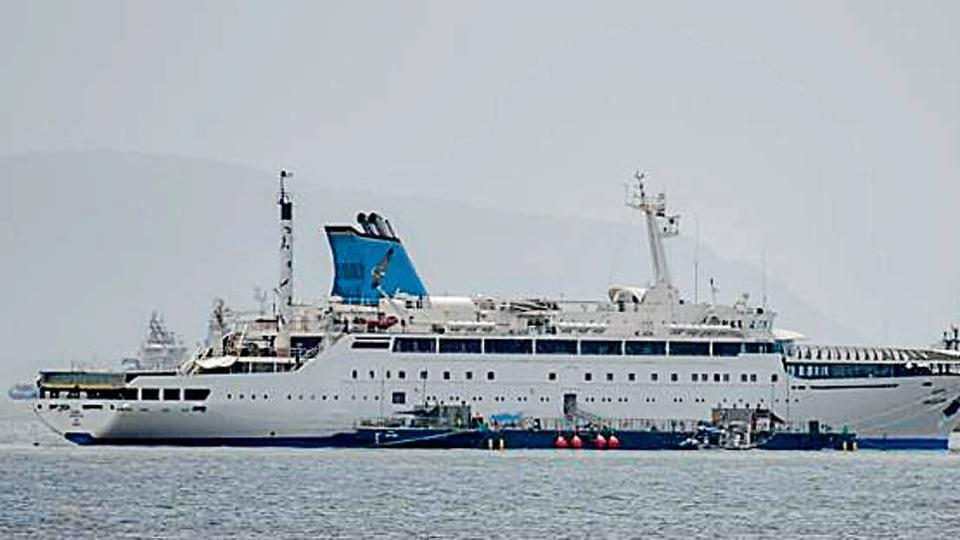
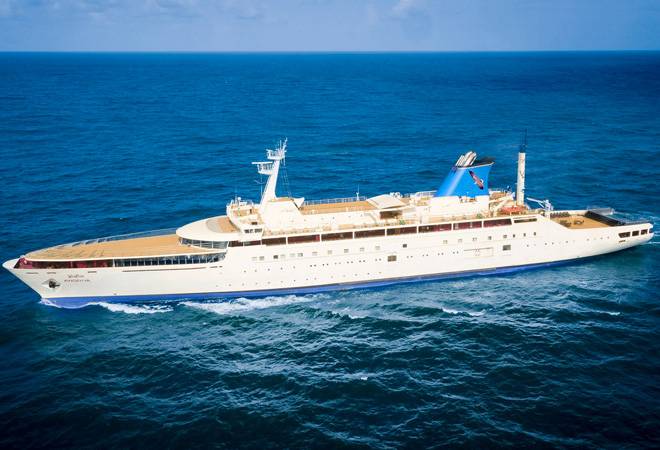
Mumbai is served by two major ports, Mumbai Port Trust and Jawaharlal Nehru Port Trust, which lies just across the creek in Navi Mumbai. Mumbai Port has one of the best natural harbours in the world, and has extensive wet and dry dock accommodation facilities. Jawaharlal Nehru Port, commissioned on 26 May 1989, is the busiest and most modern major port in India. It handles 55–60% of the country’s total containerised cargo. Ferries from Ferry Wharf in Mazagaon allow access to islands near the city.
The city is also the headquarters of the Western Naval Command, and also an important base for the Indian Navy.
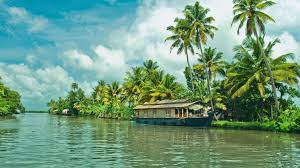
Kerala is a state on the south western Malabar Coast of India. It was formed on 1 November 1956, following passage of the States Reorganisation Act, by combining Malayalam -speaking regions. Spread over 38,863 km2 (15,005 sq mi), Kerala is the twenty-third largest Indian state by area. It is bordered by Karnataka to the north and northeast, Tamil Nadu to the east and south, and the Lakshadweep Sea to the west. With 33,387,677 inhabitants as per the 2011 Census, Kerala is the thirteenth-largest Indian state by population. It is divided into 14 districts with the capital being Thiruvananthapuram. Malayalam is the most widely spoken language and is also the official language of the state.
The economy of Kerala is the 11th-largest state economy in India with ₹8.76 trillion (US$130 billion) in gross domestic product and a per capita GDP of ₹199,000 (US$2,900).[2][3] Kerala has the lowest positive population growth rate in India, 3.44%; the highest Human Development Index (HDI), 0.712 in 2015 (0.784 in 2018); the highest literacy rate, 93.91% in the 2011 census; the highest life expectancy, 77 years; and the highest sex ratio, 1,084 women per 1,000 men. The state has witnessed significant emigration, especially to the Arab states of the Persian Gulf during the Gulf Boom of the 1970s and early 1980s, and its economy depends significantly on remittances from a large Malayali expatriate community. Hinduism is practised by more than half of the population, followed by Islam and Christianity. The culture is a synthesis of Aryan, Dravidian, Arab, and European cultures,[13] developed over millennia, under influences from other parts of India and abroad.

Kerala’s culture and traditions, coupled with its varied demographics, have made the state one of the most popular tourist destinations in India. In 2012, National Geographic‘s Traveller magazine named Kerala as one of the “ten paradises of the world”[495][496] and “50 must see destinations of a lifetime”.[497] Travel and Leisure also described Kerala as “One of the 100 great trips for the 21st century”.[495][498] In 2012, it overtook the Taj Mahal to be the number one travel destination in Google’s search trends for India.[499] CNN Travel listed Kerala amongst its ’19 best places to visit in 2019′.[500]
Kerala’s beaches, backwaters, lakes, mountain ranges, waterfalls, ancient ports, palaces, religious institutions[501] and wildlife sanctuaries are major attractions for both domestic and international tourists.[502] The city of Kochi ranks first in the total number of international and domestic tourists in Kerala.[503][504] Until the early 1980s, Kerala was a relatively unknown destination compared to other states in the country.[505] In 1986 the government of Kerala declared tourism an important industry and it was the first state in India to do so.[506] Marketing campaigns launched by the Kerala Tourism Development Corporation, the government agency that oversees the tourism prospects of the state, resulted in the growth of the tourism industry.[507] Many advertisements branded Kerala with the tagline Kerala, God’s Own Country.[507] Kerala tourism is a global brand and regarded as one of the destinations with highest recall.[507] In 2006, Kerala attracted 8.5 million tourists, an increase of 23.68% over the previous year, making the state one of the fastest-growing popular destinations in the world.[508] In 2011, tourist inflow to Kerala crossed the 10-million mark.
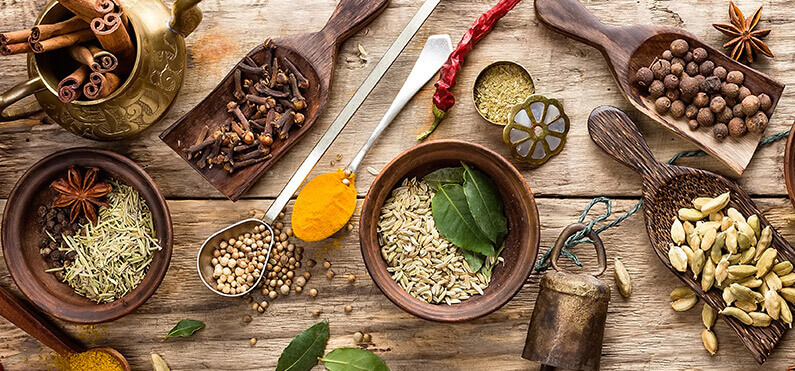
Ayurvedic tourism has become very popular since the 1990s, and private agencies have played a notable role in tandem with the initiatives of the Tourism Department.[505] Kerala is known for its ecotourism initiatives which include mountaineering, trekking and bird-watching programmes in the Western Ghats as the major activities.[510] The state’s tourism industry is a major contributor to the state’s economy, growing at the rate of 13.31%.[511] The revenue from tourism increased five-fold between 2001 and 2011 and crossed the ₹ 190 billion mark in 2011. According to the Economic Times[512] Kerala netted a record revenue of INR 36,528.01 crore from the tourism sector in 2018, clocking an increase of Rs 2,874.33 crore from the previous year. Over 16.7 million tourists visited Kerala in 2018 as against 15.76 million the previous year, recording an increase of 5.93 per cent. The industry provides employment to approximately 1.2 million people.[509]
Agra is a city on the banks of the Yamuna river in the Indian state of Uttar Pradesh.[8] It is 206 kilometres (128 mi) south of the national capital New Delhi. Agra is the fourth-most populous city in Uttar Pradesh and 24th in India.[9]
Agra is a major tourist destination because of its many Mughal-era buildings, most notably the Taj Mahal, Agra Fort and Fatehpur Sikri, all of which are UNESCO World Heritage Sites.[8] Agra is included on the Golden Triangle tourist circuit, along with Delhi and Jaipur; and the Uttar Pradesh Heritage Arc, a tourist circuit of Uttar Pradesh, along with Lucknow and Varanasi. Agra is in the Braj cultural region.
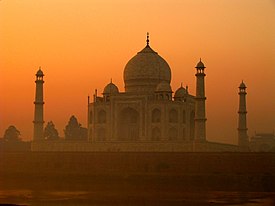
The history of Agra before the Delhi Sultanate is unclear. A 17th century chronicle called it an old settlement which was merely a village, owing to its destruction by Mahmud of Ghazni, before Sikandar made it his capital.[10] The 11th-century Persian poet Mas’ūd Sa’d Salmān writes of an assault on the fortress of Agra, then held by King Jaypal, by Sultan Mahmud of Ghazni. Despite his surrender, Mahmud sacked the place.[11] It was mentioned for the first time in 1080 AD when a Ghaznavide force captured it. Sultan Sikandar Lodī (1488–1517) was the first to move his capital from Delhi to Agra in 1504, its administration having previously been under Bayana.[12][13] He governed the country from here and Agra assumed the importance of the second capital. He died in 1517 and his son, Ibrāhīm Lodī, remained in power there for nine more years. Several palaces, wells, and a mosque were built by him in the fort during his period. He was finally defeated at the Battle of Panipat in 1526.[14] Between 1540 and 1556, Afghans, beginning with Sher Shah Suri, ruled the area. It was the capital of the Mughal Empire from 1556 to 1648. The city was later taken by the Marathas and later still fell to the British Raj.

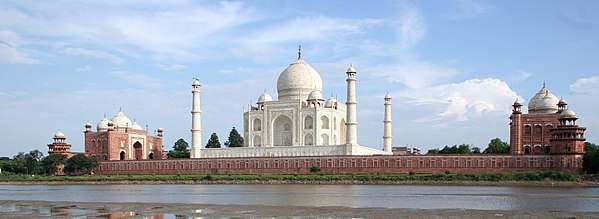
The Taj Mahal is one of the most famous buildings in the world, the mausoleum of Shah Jahan‘s favourite wife, Mumtaz Mahal. It is one of the New Seven Wonders of the world, and one of the three World Heritage Sites in Agra. Agra is commonly identified as the “City of Taj”.[44]
Completed in 1653, the Taj Mahal was built by the Mughal king Shah Jahan as the final resting place for his beloved wife, Mumtaz Mahal. Finished in marble, it is one of India’s many beautiful monuments and is set amidst landscaped gardens. Built by the Persian architect, Ustād ‘Īsā, the Taj Mahal is on the south bank of the Yamuna River. It can be observed from Agra Fort from where Emperor Shāh Jahān gazed at it for the last eight years of his life, a prisoner of his son Aurangzeb. Verses of the Quran are inscribed on it and at the top of the gate are 22 small domes, signifying the number of years the monument took to build. The Taj Mahal was built on a marble platform that stands above a sandstone one. The most elegant dome of the Taj Mahal has a diameter of 60 feet (18 m), and rises to a height of 80 feet (24 m); directly under this dome is the tomb of Mumtaz Mahal. Shah Jahān’s tomb was erected next to hers by his son Aurangzeb. The interiors are decorated with fine inlay work, incorporating semi-precious stones.
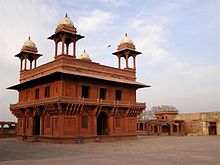
The Mughal Emperor Akbar built Fatehpur Sikri about 35 km (22 mi) from Agra, and moved his capital there. Later abandoned, the site displays a number of buildings of significant historical importance. A World Heritage Site, it is often visited by tourists. The name of the place came about after the Mughal Emperor Bābar defeated Rāṇā Sāngā in a battle at a place called Sikrī (about 40 km (25 mi) from Agra). Then the Mughal Emperor Akbar wanted to make Fatehpur Sikri his headquarters, so he built a majestic fort; due to the shortage of water, however, he had to ultimately move his headquarters to Agra Fort.
Buland Darwāza or ‘the lofty gateway’ was built by the great Mughal emperor, Akbar in 1601 CE. at Fatehpur Sikri. Akbar built the Buland Darwāza to commemorate his victory over Gujarat. The Buland Darwāza is approached by 52 steps. The Buland Darwāza is 53.63 metres (175.95 feet) high and 35 metres (115 feet) wide. it is made of red and buff sandstone, decorated by carving and black and white marble inlays. An inscription on the central face of the Buland Darwāza demonstrates Akbar’s religious broadmindedness, it is a message from Jesus advising his followers not to consider this world as their permanent home.
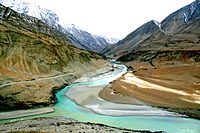
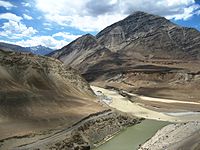
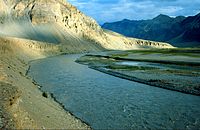
Ladakh is a region administered by India as a union territory, and constituting a part of the larger region of Kashmir, which has been the subject of dispute between India, Pakistan, and China since 1947 .
Among the places of tourist interest include Leh, Drass valley, Razi khar (Chiktan Khar), Suru valley, Kargil, Zangskar, Zangla, Rangdum, Padum, Phukthal, Sani Monastery, Stongdey, Shayok Valley, Sankoo, Salt Valley. Treks include Manali to Ladakh, the Nubra valley, Pangong tso, Tso moriri, the Indus valley, Markha valley, Ladakh monastery trek, South Zangskar, Trans-Zangskar Expedition, Spiti to Ladakh, Spiti to Pitok to Hemis, Rupshu, the Great Salt lakes, Chadar Ice trek, Padum-Phuktal, Padam to Darcha, Panikhar to Heniskot, Padum to Manali, Lamayuru-Martselang, Lamayuru – Alchi, Kala Pattar trek, Pahal .
Ladakh is one of the most favourite trekking destination, having some of the most picturesque and challenging treks. Ladakh is a paradise for adventure lovers given by its world’s mightiest mountain ranges, the Greater Himalaya and the Karakoram, and two others, the Ladakh range and the Zangskar range. The most important feature of trekking in Ladakh is its High Mountain passes which comes on the trekking routes gives opportunity to have wonderful view of colorful mountains and amazing landscape.
THINGS TO KNOW BEFORE TRAVELLING LADDAKH :
One way to travel within the region is by the state buses, which ply on fixed routes according to fixed time schedules. Most comfortable and convenient though, the expensive mode of travel, however, is a taxi, which is available for hire on fixed point-to-point tariff basis. For visits to the newly opened areas of Nubra [8], Dah-Hanu, Tsomoriri, Tsokar and Pangong Lake, it is mandatory to engage the services of a registered and recognised travel agency that makes the requisite arrangements including internal transport .
Ladakh is one of the most sparsely populated regions in India and its culture and history are closely related to that of Tibet. It is renowned for its remote mountain beauty and culture.
This is an example post, originally published as part of Blogging University. Enroll in one of our ten programs, and start your blog right.
You’re going to publish a post today. Don’t worry about how your blog looks. Don’t worry if you haven’t given it a name yet, or you’re feeling overwhelmed. Just click the “New Post” button, and tell us why you’re here.
Why do this?
The post can be short or long, a personal intro to your life or a bloggy mission statement, a manifesto for the future or a simple outline of your the types of things you hope to publish.
To help you get started, here are a few questions:
You’re not locked into any of this; one of the wonderful things about blogs is how they constantly evolve as we learn, grow, and interact with one another — but it’s good to know where and why you started, and articulating your goals may just give you a few other post ideas.
Can’t think how to get started? Just write the first thing that pops into your head. Anne Lamott, author of a book on writing we love, says that you need to give yourself permission to write a “crappy first draft”. Anne makes a great point — just start writing, and worry about editing it later.
When you’re ready to publish, give your post three to five tags that describe your blog’s focus — writing, photography, fiction, parenting, food, cars, movies, sports, whatever. These tags will help others who care about your topics find you in the Reader. Make sure one of the tags is “zerotohero,” so other new bloggers can find you, too.

 GRISHI BEING TRAVELLER